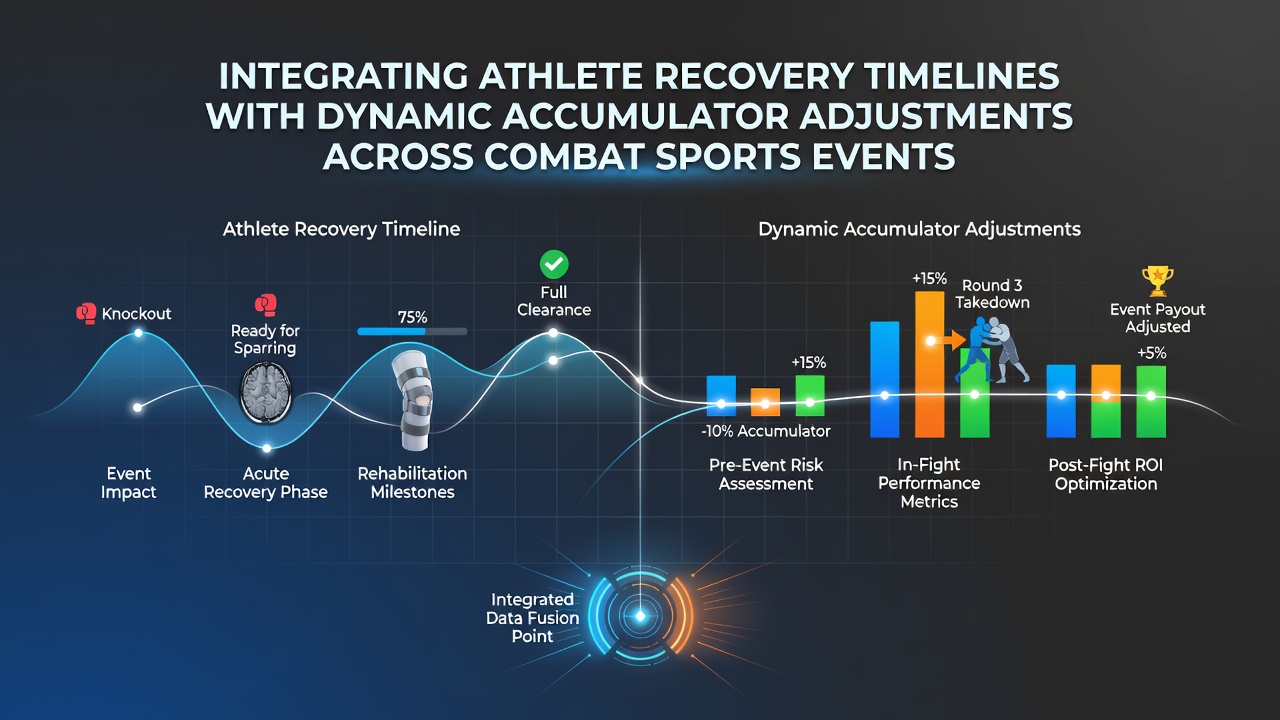
Recovery Timelines Driving Dynamic Accumulator Models in Combat Sports Circuits
Combat sports schedules pack multiple events into tight windows, and recovery timelines have become central data points for adjusting accumulator structures across MMA, boxing, and kickboxing cards. Organizers track metrics such as muscle inflammation markers, sleep efficiency scores, and joint mobility ranges to update bettor-facing accumulator lines in real time, while operators refine odds when fighters show slower-than-expected healing between bouts.
August 2026 features several high-profile multi-event weekends where these adjustments appear most visible, particularly in promotions that run back-to-back fight nights within ten days. Data from sports science labs indicates fighters who log under seven hours of restorative sleep per night during camp periods experience a 12 percent increase in late-round fatigue indicators, prompting accumulator providers to shift payout thresholds accordingly.
Core Components of Recovery Tracking Systems
Teams collect baseline data weeks before events, then layer daily inputs from wearable devices that measure heart-rate variability alongside blood lactate levels, and these feeds feed directly into proprietary models that recalibrate accumulator legs. When a middleweight contender registers elevated creatine kinase readings after a sparring session, systems automatically flag potential underperformance risks and adjust the correlated betting segments without manual intervention.
Research published through the National Institutes of Health database highlights how neuromuscular recovery windows vary by weight class, with lighter divisions often requiring 72 to 96 hours for full glycogen replenishment compared to heavier athletes who may need up to 120 hours after intense striking exchanges.
Accumulator Adjustments in Practice
Dynamic accumulator platforms now incorporate these timelines by splitting wagers into recovery-sensitive tiers, so a bettor selecting three fighters across consecutive nights sees the overall multiplier recalculated when one athlete's monitored sleep score drops below established thresholds. Promotions release aggregated recovery summaries 48 hours before weigh-ins, allowing markets to respond to patterns such as delayed return-to-training dates or persistent inflammation flags.
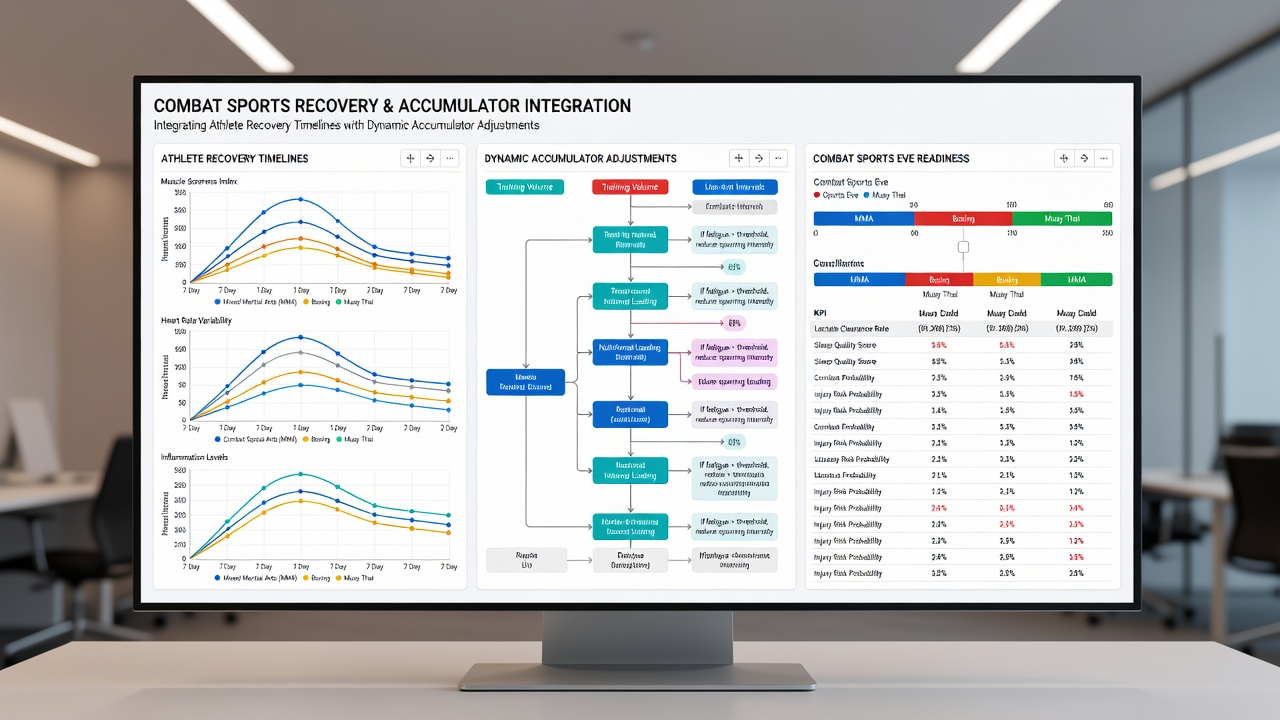
Operators in regions governed by the European Gaming Regulators network have documented how these data streams reduce variance in multi-leg outcomes, especially during tournaments that span several time zones. Fighters traveling across continents face additional circadian disruption layers, and models integrate flight duration plus acclimatization periods to refine accumulator probabilities before the first bell.
Event-Specific Patterns Observed in 2026
August schedules include stacked international cards where recovery data influences line movements more noticeably than traditional form guides alone. One welterweight division saw three athletes post similar pre-camp training volumes yet diverge sharply once post-travel heart-rate recovery tests were factored in, leading to accumulator recalibrations that shifted implied probabilities by several percentage points within hours of the updates.
Coaches report that transparency around these metrics has increased among camps, since accurate recovery profiles help secure favorable positioning within layered betting products. When data shows consistent improvement in range-of-motion scores over a 14-day window, accumulators tied to that fighter's later-round performance often stabilize rather than drift.
Challenges in Data Integration
Standardizing inputs across promotions remains an ongoing process because different organizations use varying sensor protocols and reporting cadences. Some circuits publish daily wellness questionnaires while others rely solely on objective biomarkers, creating occasional gaps that accumulator engines must bridge through statistical smoothing techniques. Those gaps narrow when events cluster in August, as increased media scrutiny encourages fuller disclosure from medical teams.
Longer sentences help capture the layered nature of these systems, since recovery data rarely arrives in isolation but combines with travel logs, nutrition logs, and sparring intensity reports before any single accumulator leg receives an update. Observers note that the most reliable adjustments occur when at least three independent data streams converge on the same trend.
Conclusion
Integration of athlete recovery timelines with dynamic accumulator adjustments continues to evolve as combat sports expand their calendars and data collection capabilities improve. August 2026 provides another test case for how these systems handle clustered events while maintaining consistency across weight classes and geographic regions. Continued refinement of sensor accuracy and reporting standards will determine how precisely models can respond to the unique physiological demands of fighting sports.